The 72-Hour ATM Skimming Saga of Mark T.: Lessons in Capture
Mark T. bought cloned cards on the dark web and withdrew $4,900 before getting caught in just 15 days. His case shows how banks and ATMs collect evidence that leads to arrest.
Published:
Last reviewed: November 2, 2026
6 min
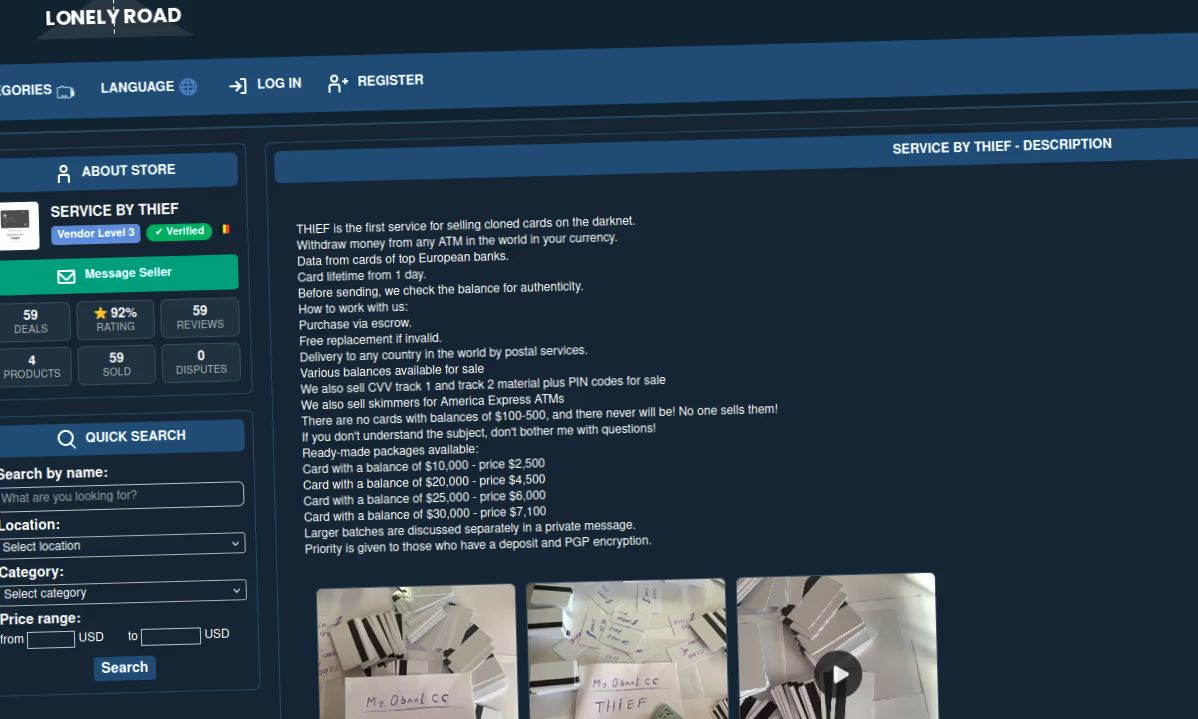
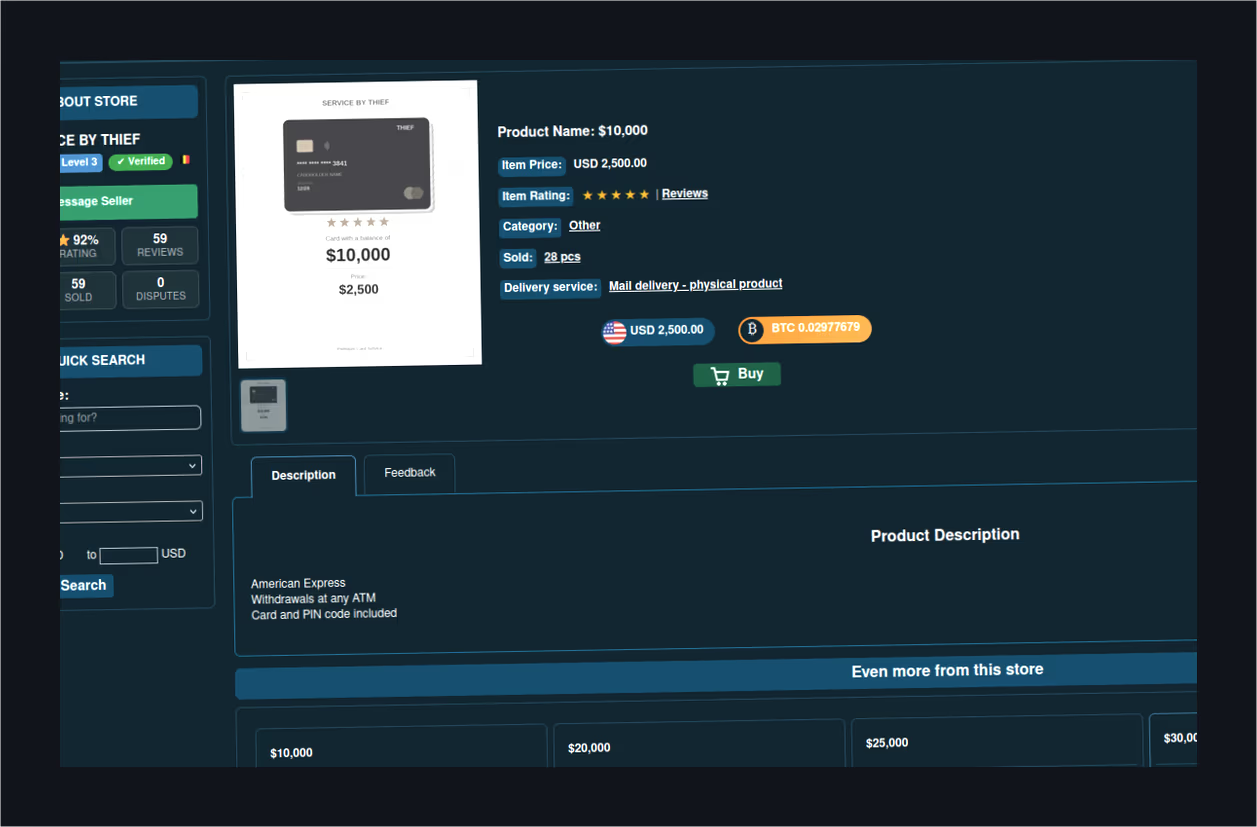
A perilous world was entered by Mark T., a man of 34 years from Tampa Bay, in 2024. He thought that engaging in illegal activities would be simple. To start his scheme, Mark invested $480 in cryptocurrency to acquire six fake debit cards, each with its own PIN, from a dubious online vendor. Swiftly, $4,200 was withdrawn from three different ATMs without any issues. However, this excitement was fleeting. During his fourth attempt, he was ensnared by sophisticated surveillance technology. This event triggered a swift investigation that uncovered not only the weaknesses in his approach but also the harsh realities of contemporary digital crime. What seemed like a smart strategy fell apart in less than two weeks, highlighting the risks of underestimating banking security. Who would have thought that crime could be so intricate?
Carding involves the unlawful exploitation of stolen financial information. Imagine Mark's situation; it illustrates this illegal practice quite well. Typically, the carding process is broken down into five distinct steps:
Data Theft: Criminals acquire track 1 and track 2 data through various techniques, including ATM skimming or obtaining extensive datasets from illicit sources.
Card Duplication: The acquired data is subsequently placed onto blank cards, giving them a legitimate appearance, complete with the cardholder's information.
PIN Collection: If a PIN has been captured via hidden cameras or overlay devices, the criminal possesses a fully operational card to access funds.
Cash Withdrawal: The criminal swiftly utilizes ATMs to take out cash before the victims can notice anything amiss and respond.
Money Laundering: The cash withdrawn is then converted into cryptocurrency, complicating the tracing process.
In Mark's situation, he chose Monero for its privacy attributes. Nevertheless, he overlooked an important detail. ATMs do more than just dispense cash; they also incorporate surveillance systems that collect vital evidence.
This example shows how easily individuals can misjudge the power of contemporary technology.
Why Did Mark Get Caught?
Mark’s downfall was largely thanks to the modern technology found in ATMs. These machines are equipped with surveillance capabilities, including:
Built-in Cameras: These capture customer images in high definition, often in low light.
Hidden Cameras: Some ATMs have additional cameras that are not visible, providing different angles.
Transaction Logs: ATMs document the time, amount, card number, and transaction status of every withdrawal.
Geolocation Tracking: The ATM knows where it is and records its location to provide to banks.
Network Logs: All requests made by the ATM are logged, including metadata about the connections.
On his last withdrawal, Mark was clearly recorded withdrawing $700. He didn't use any disguise, making it easy for law enforcement to identify him shortly after. The cameras captured his face; a face that would soon lead to his arrest.
ATMs serve as surveillance devices, recording every transaction.
How the Investigation Unfolded?
The probe into Mark's unlawful actions commenced promptly. Here’s a timeline of key occurrences:
Day 1: On this day, three individuals from Florida, Georgia, and North Carolina notice strange withdrawals from their accounts.
On Day 3, suspicious activities involving cloned cards trigger alerts from banks' fraud detection systems.
On Day 5, the U.S. Secret Service assumed control of the case to carry out a more detailed investigation into the financial crime.
Day 8: Mark’s identity is confirmed through database checks after video footage from an ATM is reviewed.
Day 12: Authorities gain access to Mark's online activities, linking him to the purchase of cloned cards.
On Day 14, incriminating evidence, such as cloned cards and a manipulation device, was discovered in Mark's residence following a search warrant.
Day 15: Following his arrest, Mark confesses his involvement in the scheme.
A significant amount of evidence points directly to him, enabling investigators to build a robust case for prosecution. This situation highlights how contemporary technology can play a pivotal role in identifying and prosecuting offenders.
The Numbers Behind Mark's Scheme
Mark's illicit activities were short-lived; here are the key financial outcomes of his case, from expenses to penalties:
Service
Price Range
Withdrawals totalled $4,900.
The price for cloning cards amounts to $480.
The time taken from withdrawal to arrest spanned 15 days.
A federal prison sentence of 60 months, equivalent to 5 years, has been imposed.
A fine and restitution of $22,000 has been imposed.
A duration of 3 years is what supervised release encompasses.
Initially, the financial gains of Mark might have appeared appealing. However, he faced significant consequences that outweighed his brief moments of success.
What Went Wrong for Mark?
Mark committed several significant blunders that ultimately led to his arrest.
Transaction Locations: Red flags were raised due to withdrawals occurring within 40 miles of his residence.
Identity Exposure: He did not attempt to hide his identity during transactions, making him easily recognizable.
Use of Centralised Exchange: Buying Monero from a platform that requires KYC linked him directly to illicit activities.
Incriminating Evidence Found: Law enforcement found items such as cloning tools and cash at his home, strongly suggesting his culpability.
Cash Matches Withdrawals: The recovered cash corresponded with the amounts he had withdrawn from ATMs, further tying him to the offenses.
Quick Withdrawals: The rapidity of his transactions enabled fraud detection systems to pinpoint inconsistencies.
Such errors highlight the importance of exercising caution. Even individuals who believe they can outsmart the system may find themselves in dire situations.
What Lessons Can Be Learned?
Mark's case illustrates the robustness of banking security systems. Here are key takeaways for professionals in the security field:
Bank Fraud Prevention: Anti-fraud systems are a crucial first line of defence. They can analyse patterns efficiently.
Integration of Forensics: The combination of digital evidence and physical surveillance is essential for investigations.
Cryptocurrency Anonymity: No cryptocurrency guarantees complete anonymity, especially when KYC processes are involved.
Education for Consumers: Banks should continue educating customers to spot fraud early, reducing losses.
The Final Verdict: A Cautionary Tale
Mark T.'s journey from potential profit to prison illustrates a significant truth about cybercrime—technology is a double-edged sword. While it can be used for illicit gains, it also provides law enforcement with powerful tools to catch criminals. In March 2025, Mark pleaded guilty to multiple charges and received a five-year sentence. His story is a reminder that quick profits in crime often lead to long-term consequences. Perhaps the allure of easy money isn't worth the risk after all.
List of Onion Sites to ExploreDiscover a comprehensive list of onion sites to explore on the Tor network, featuring unique resources and hidden gems.
Creating a List of Dark Web LinksDiscover how to compile a comprehensive list of dark web links, including essential resources and safety tips for navigating this hidden pa…